Both approaches aim to keep blood moving during cardiac arrest, but they are not interchangeable in every situation.
Hands-only CPR
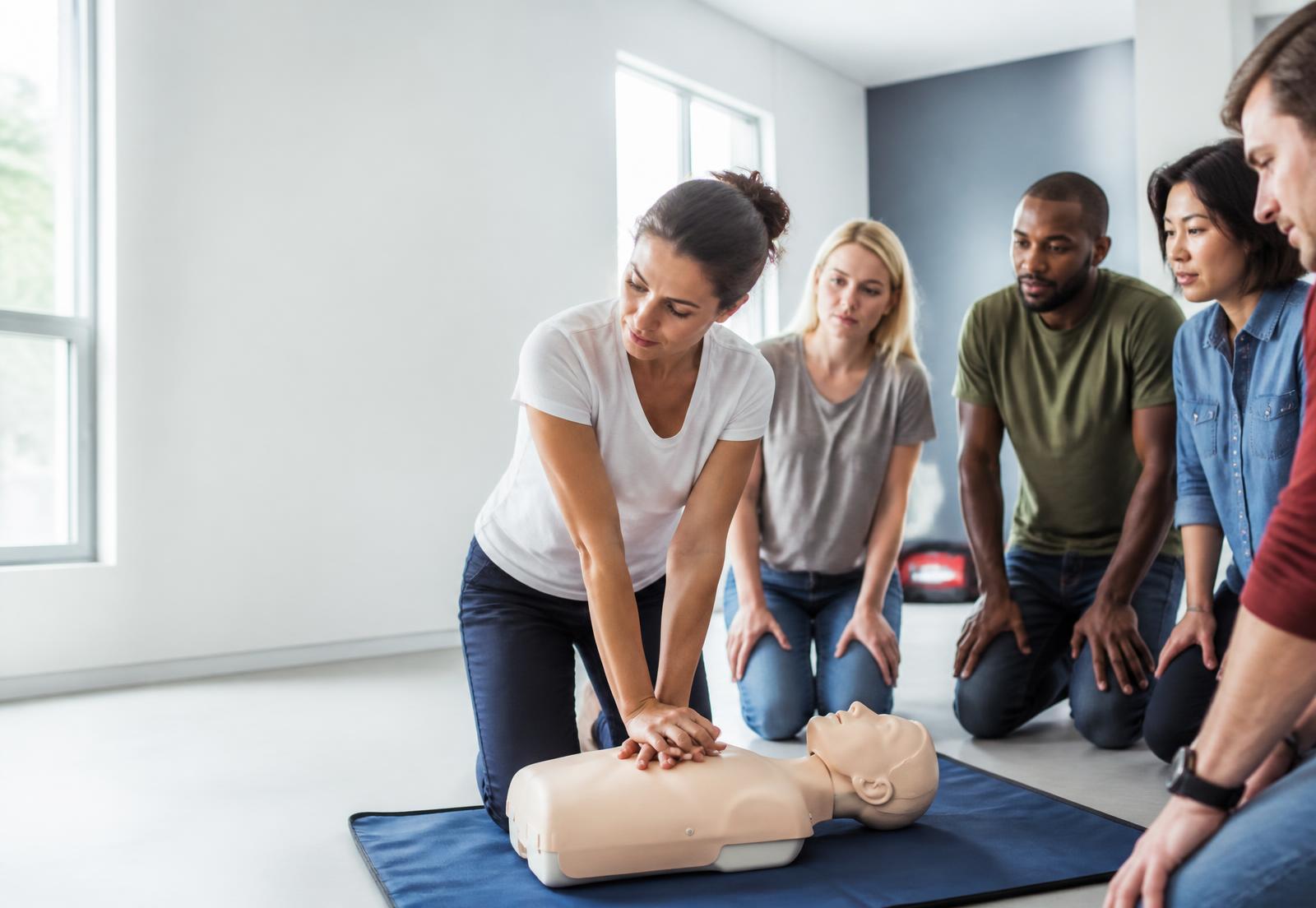
Hands-only CPR uses chest compressions without rescue breaths. The American Heart Association recommends it for untrained bystanders who see a teen or adult suddenly collapse outside a hospital.
- Call 911.
- Push hard and fast in the center of the chest.
Conventional CPR
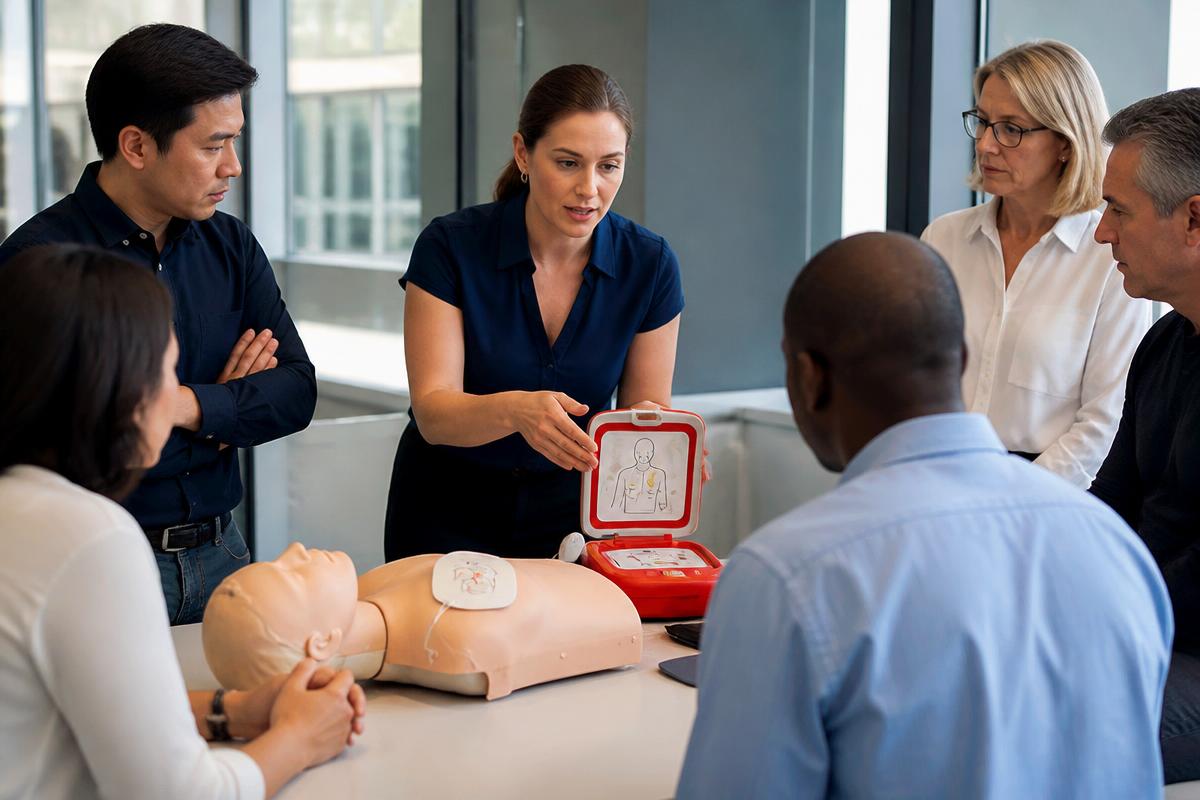
Conventional CPR combines chest compressions with rescue breaths. Training is especially important for children, infants, drowning, drug overdose, breathing problems, and people already found unresponsive.
Follow your training and the emergency dispatcher’s directions. A formal course helps you practice the technique appropriate to different ages and situations.